Skip to content
KameleonAI
Explained1 min read

What actually is an ‘AI model’? An explanation for people with real jobs

Everyone talks about AI models, but what *are* they? An explanation without a single difficult word. Well, almost.
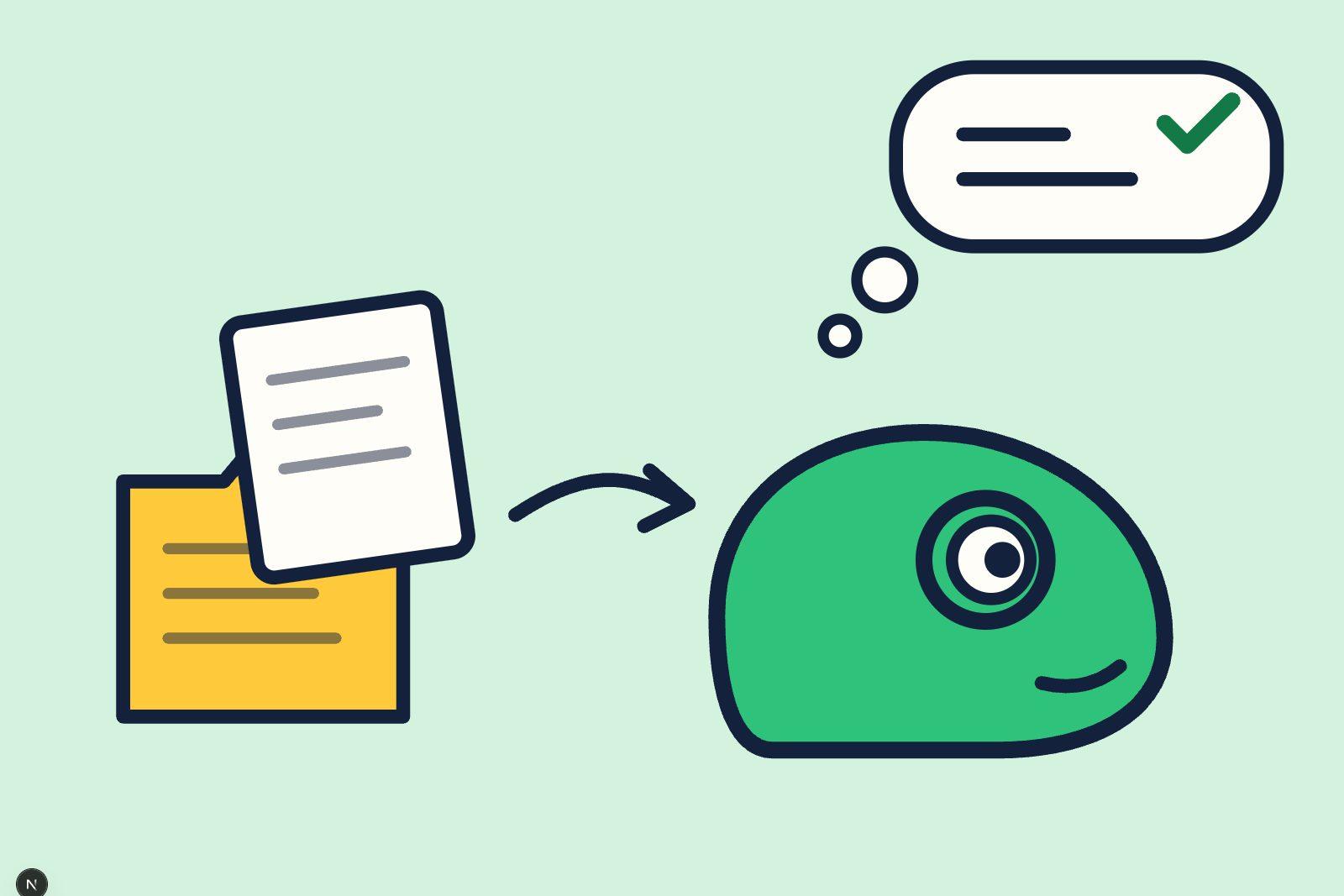
Illustration: documents go into a green chameleon, which then gives an answer with a tick

You hear it everywhere: “this AI model”, “that new model”. But what actually is it?

Think of a very well-read intern

Imagine an intern who, in a few months, has read an enormous library. Books, websites, manuals, in all sorts of languages. He hasn’t memorised everything word for word, but he has learned how language works and how things relate to each other.

That is an AI model: the result of all that reading, stored in one big file.

Why does it matter where that file lives?

With most AI services, that “intern” sits in a data centre belonging to a big tech company. Every question you ask travels there. Along with every document you attach.

With Kameleon, the intern sits in your office. In a cabinet. With eyes.

And “open” models?

Some companies and universities give their models away for free, so that anyone can run them themselves. We call those open models. France’s Mistral does this, for example, as do various other parties around the world.

The great thing is: those open models have improved enormously in recent years. Good enough to do real work, and small enough to run on a single cabinet.

Does it learn from our documents?

It reads them, when you ask it a question. Just like a colleague opening a case file. But it doesn’t send them anywhere, and it doesn’t tell anyone outside your organisation. There is no “outside”, after all. The cabinet is offline.

More from the journal

The midnight-blue Kameleon cabinet opened up, with all the modules separated
Behind the scenes1 min read

The thesis student who solders our cabinet

He was supposed to be researching how to manage offline AI securely. These days he builds the prototype too. A portrait of our most indispensable intern.

The orange Kameleon cabinet opened up, showing the fans of the compute modules
Build log1 min read

How loud is it? We measured the noise

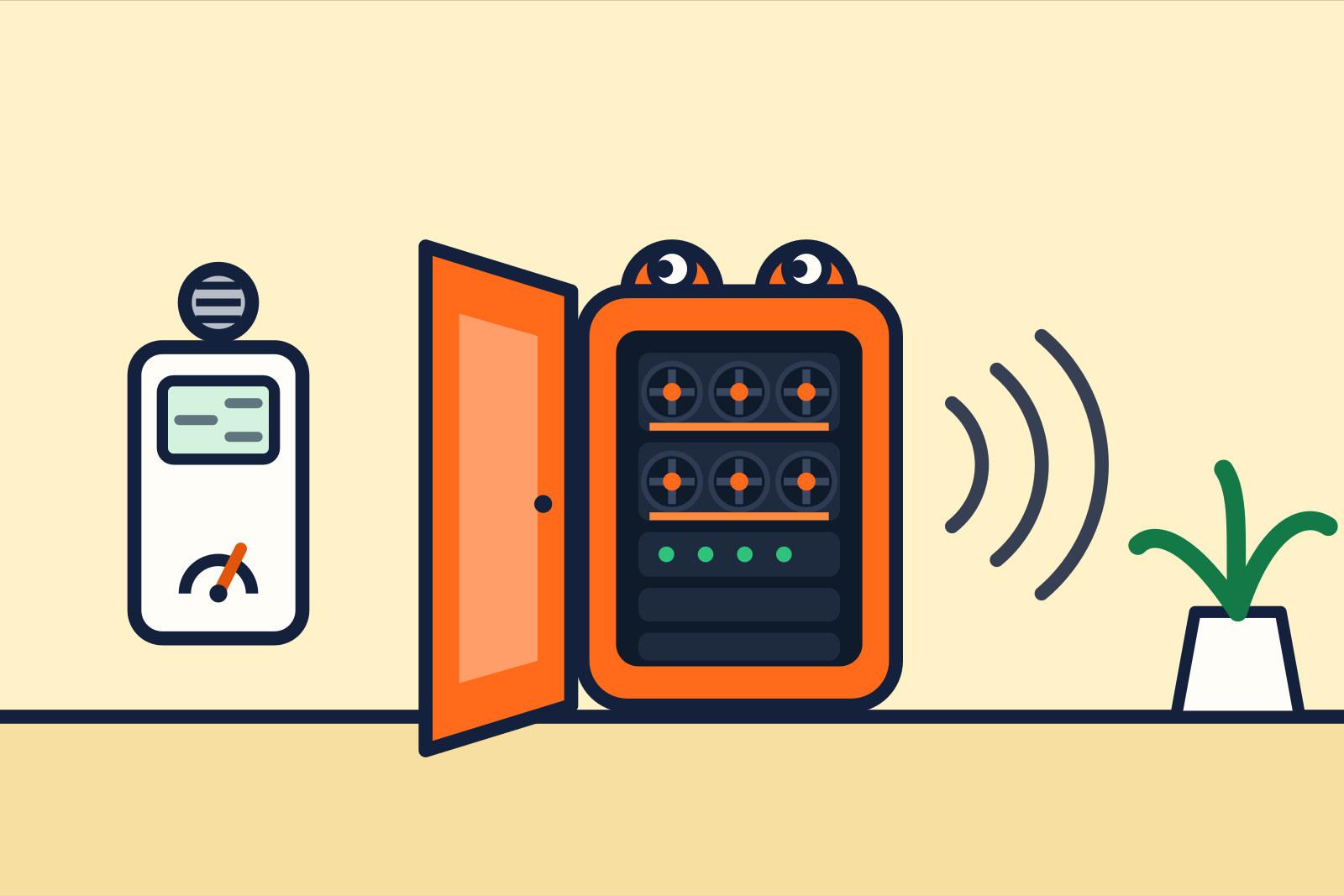
A server cabinet in the office shouldn’t sound like an aeroplane. We brought a decibel meter and started measuring. With video.

Frequently asked questions

The five questions everyone asks

Short and honest. Want the full picture? The rest is on the FAQ page.

See all questions
What exactly does Kameleon do?

Kameleon is a cabinet with a complete AI inside, like the one you know from ChatGPT. The difference: it sits in your office, works without the internet and only reads your own documents. Colleagues can ask it questions, have it summarise texts or draft letters.

Does it really work completely without the internet?

Yes. The cabinet deliberately has no internet connection. Laptops talk to the cabinet over your own office network. Updates and new AI versions are delivered in person on an encrypted USB stick.

Can Kameleon access our data?

No. We have no remote access, because there is no internet connection. Only when you invite us and we come by in person can we do maintenance. And then you watch us do it.

What does it cost?

A Kameleon Mini starts at €14,950 one-off, plus a care package from €349 per month for maintenance and updates. The configurator shows you straight away what your configuration costs.

Can I try it first?

Yes, with a six-week pilot.