Skip to content
KameleonAI
Pilots1 min read

Week one of a pilot: a notary’s office (anonymous, of course)

Our first pilot is running at a notary’s office. What worked straight away, what disappointed, and why the coffee machine played a part.
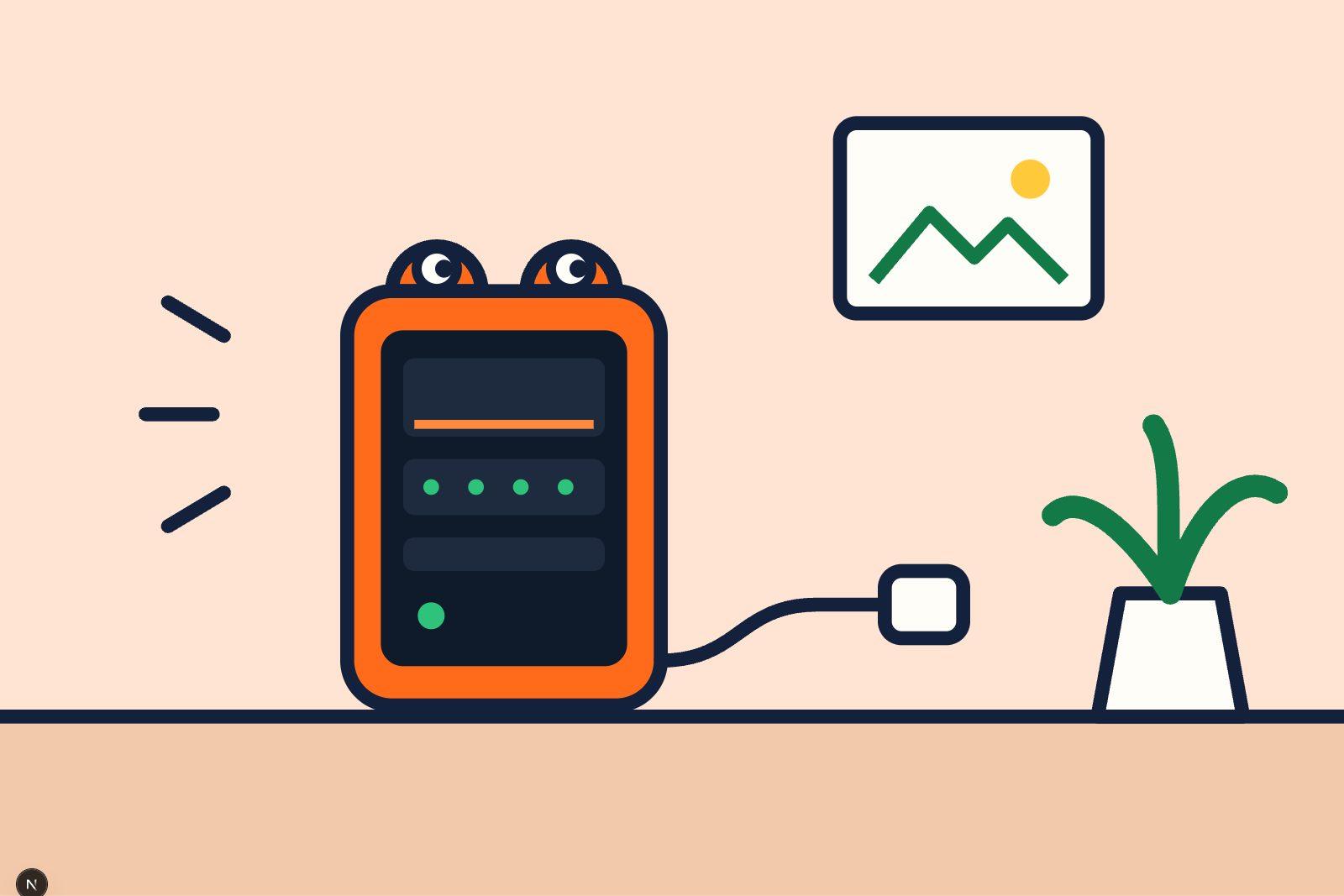
Illustration: a Kameleon cabinet in a corner of an office, with a plant and a painting on the wall

Our first real pilot. A notary’s office with around twenty staff, somewhere in the middle of the Netherlands. Which office? We’re not saying. That’s rather the whole point.

Day 1: moving in

The cabinet had to go to the second floor. There was a lift. The lift was smaller than expected. After some puzzling (and a quarter of an hour of sweating) it was in place: next to the coffee machine. According to the staff, the only logical spot, “because everyone walks past there anyway”.

Days 2 and 3: setting up

Together with the office we gave the AI a selection of documents: standard deeds, internal work instructions and a hefty pile of frequently asked questions from clients. Everything stayed inside the cabinet.

Days 4 and 5: using it

What colleagues did most often:

  1. Looking up work instructions. “How did that go again…?” Much faster than searching yourself.
  2. A first draft of a letter. Which they then proofread and adjusted themselves.
  3. Summarising long documents. Especially popular on Friday afternoons.

What disappointed?

To be honest: on very specific legal questions, the AI sometimes had to admit it wasn’t sure. We actually think that’s a good sign. Better an honest “I don’t know” than a confidently made-up answer.

Next week

We’ll be looking at whether we can connect the AI to the office’s own case-file system. Locally, of course.
More from the journal

The midnight-blue Kameleon cabinet opened up, with all the modules separated
Behind the scenes1 min read

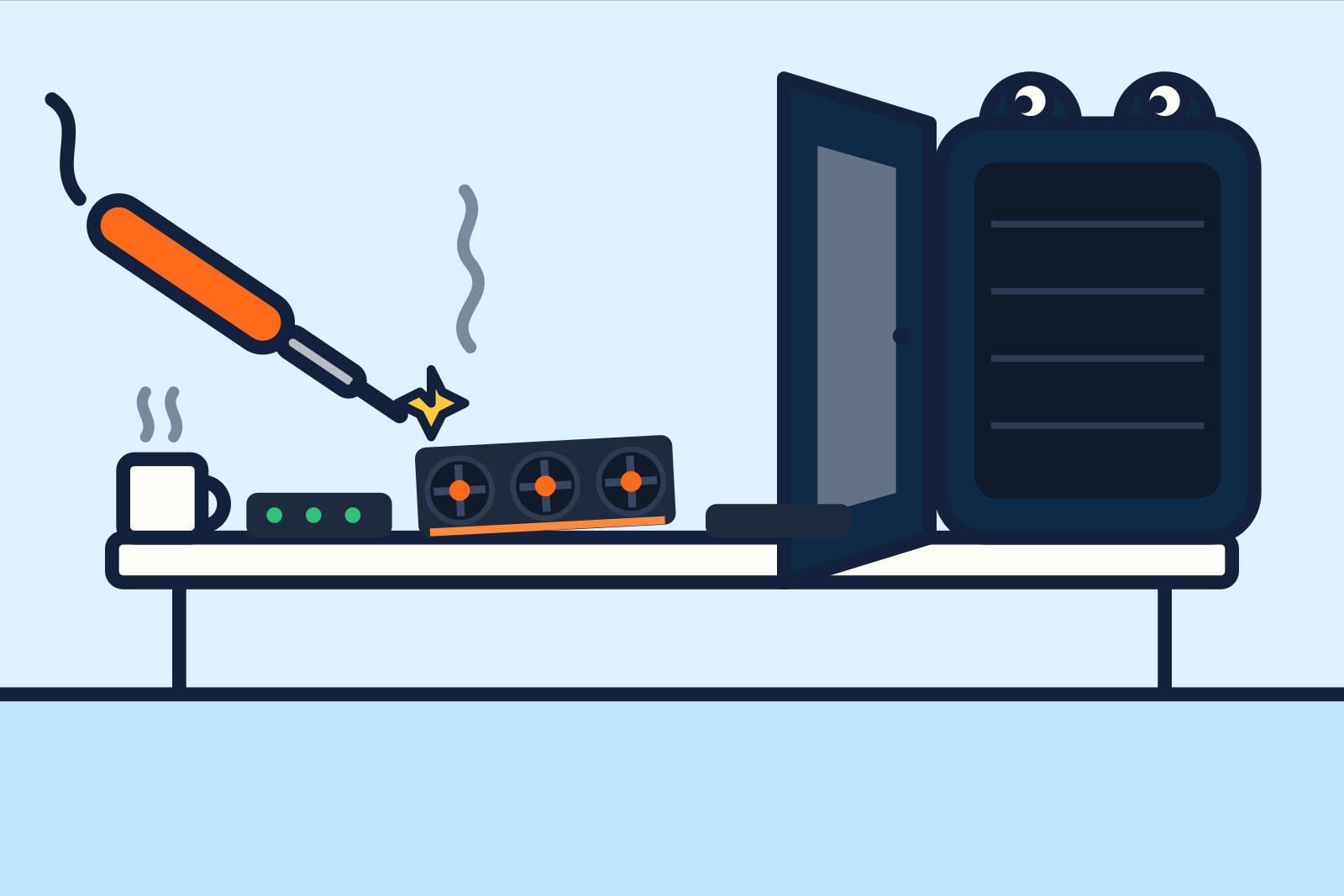
The thesis student who solders our cabinet

He was supposed to be researching how to manage offline AI securely. These days he builds the prototype too. A portrait of our most indispensable intern.

The orange Kameleon cabinet opened up, showing the fans of the compute modules
Build log1 min read

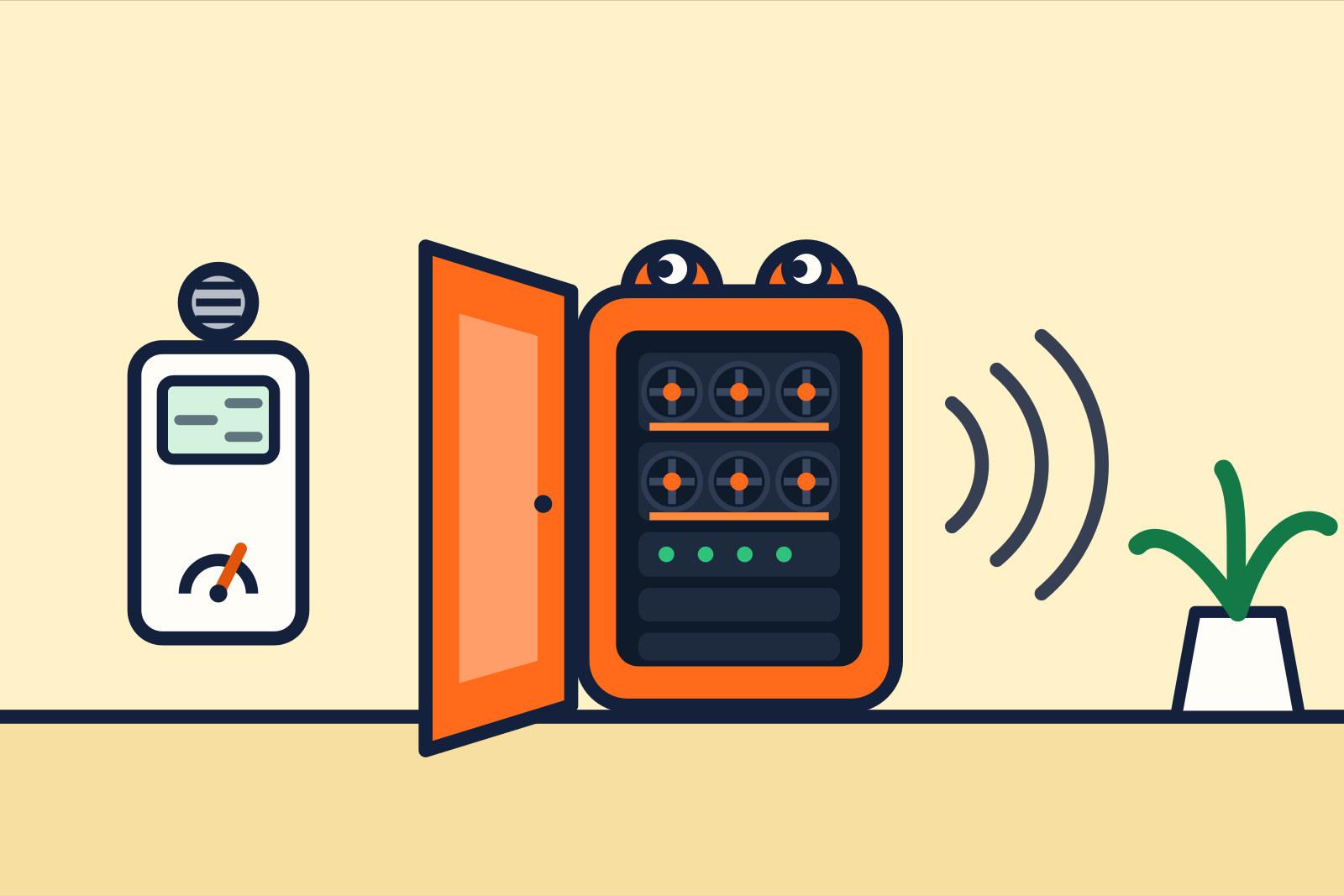
How loud is it? We measured the noise

A server cabinet in the office shouldn’t sound like an aeroplane. We brought a decibel meter and started measuring. With video.

Frequently asked questions

The five questions everyone asks

Short and honest. Want the full picture? The rest is on the FAQ page.

See all questions
What exactly does Kameleon do?

Kameleon is a cabinet with a complete AI inside, like the one you know from ChatGPT. The difference: it sits in your office, works without the internet and only reads your own documents. Colleagues can ask it questions, have it summarise texts or draft letters.

Does it really work completely without the internet?

Yes. The cabinet deliberately has no internet connection. Laptops talk to the cabinet over your own office network. Updates and new AI versions are delivered in person on an encrypted USB stick.

Can Kameleon access our data?

No. We have no remote access, because there is no internet connection. Only when you invite us and we come by in person can we do maintenance. And then you watch us do it.

What does it cost?

A Kameleon Mini starts at €14,950 one-off, plus a care package from €349 per month for maintenance and updates. The configurator shows you straight away what your configuration costs.

Can I try it first?

Yes, with a six-week pilot.